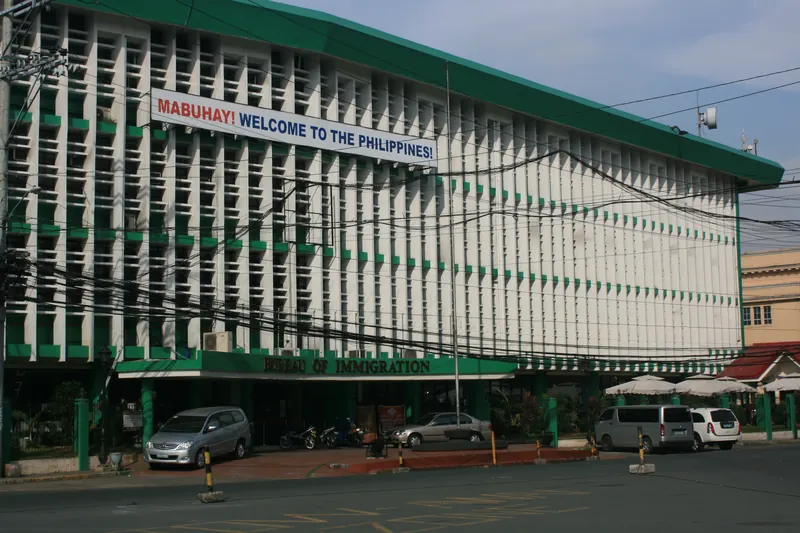
The counter experience for a foreigner in Cebu does not match what the banks publish, and the gap is the whole story. BPI’s own List of Account Opening Requirements accepts a foreign passport as a valid primary ID on its own, alongside the PhilID (for resident aliens) and the ACR I-Card rather than behind them. In branch practice, though, Cebu staff routinely ask a foreign applicant for an ACR I-Card and proof of a long-term stay, and turn away tourist-stamp arrivals, because a foreign file still needs a manager’s sign-off. The Bureau of Immigration only issues the ACR I-Card once your continuous stay passes day 59, so the distance between published policy and counter practice is what locks many new arrivals out for their first two months. The route that removes the uncertainty is Maya, whose own account-upgrade page lists a single document under “For Foreign nationals”: a passport, with no ACR I-Card anywhere on the list.
This guide covers the banks Cebu expats actually use in 2026: the five traditional banks above, the two BSP-licensed digital banks that take foreigners (Maya and GoTyme), and GCash, which is a wallet and not a bank. It gives the documents each one asks for, the minimum deposits we could verify at the bank’s own page, and the ones we could not. That second list matters as much as the first, because three of the five big banks will not show their product pages to an automated check at all.
Can a foreigner on a tourist visa open a bank account in Cebu?
The honest answer is “it depends on the branch”, not a flat no. Only BPI publishes a foreigner ID list we can actually read, and it does not make the ACR I-Card mandatory: BPI’s List of Account Opening Requirements accepts a foreign passport as a valid primary ID on its own, listed alongside the PhilID (for resident aliens) and the ACR I-Card, not behind them. BDO’s, Security Bank’s and UnionBank’s requirements pages will not load for an automated check, so we cannot tell you their published ID policy and we will not guess it. What is consistent across Cebu is branch practice: a foreign application goes to a manager, who commonly asks for an ACR I-Card and proof of a settled long-term stay, and often declines a tourist-stamp applicant. So a tourist-visa opening at the traditional five is possible on BPI’s published rules and unreliable in the room. The card that ends the argument only follows a stay past day 59.
For digital banks, the answer is narrower than the internet claims. Maya publishes a foreign-national requirement of exactly one document. Its account upgrade page lists primary and secondary IDs for Filipino citizens, then a separate line for foreign nationals whose entire content is one word: “Passport”. No ACR I-Card, no branch visit, no minimum opening deposit. That is Maya’s published rule, and it is the strongest day-one evidence that exists for any BSP-licensed account. What Maya does not publish is how often its automated matcher clears a given foreign passport on the first attempt, so treat approval as likely rather than guaranteed, and keep cash for the first week.
GoTyme is stricter by its own published policy: foreign nationals present a valid passport and a valid ACR I-Card, and the country of citizenship must sit on GoTyme’s accepted-onboarding list (which does carry the UK, US, EU states, Australia, and Canada). That makes it a good second digital account after your first extension, not a landing-day one.
Two other openings worth knowing. EastWest Bank has a reputation as the most tourist-tolerant traditional bank, and some branches will open a basic savings account against a passport and proof of address. That is branch discretion, not published policy, so do not build a plan on it. SRRV holders are a genuine exception rather than a branch favour: the Philippine Retirement Authority’s SRRV programme exempts retiree-visa holders from the ACR I-Card and the BI annual report and issues a PRA membership ID in its place, so a retiree opening a peso or USD account at a PRA-accredited bank is not held up by the day-59 card wait.
If none of those fit, plan for a 60 to 90-day wait from arrival before a traditional peso account is realistic. See the first-month Cebu setup checklist for the rest of the sequence, and the visa options guide for how the ACR I-Card is issued as part of that first extension.
The documents every Cebu bank will ask for
The list is broadly similar across banks, with small variations. Bring all of it. Most Cebu branches still process a foreign application as a special case needing a branch manager’s sign-off, so a missing document usually means you leave empty-handed.
- Valid passport with at least 6 months of remaining validity, plus a photocopy of the biodata page and your Philippine entry stamps
- ACR I-Card (original and photocopy), if you hold one. BPI’s published ID list accepts a passport without it, but Cebu branches commonly ask a foreigner for the card in practice, so bring it if you have it
- Proof of Philippine address. A notarised lease works everywhere. A recent VECO or MCWD bill in your name is strongest. A barangay certificate of residency is the accepted fallback
- Secondary ID. Philippine driver’s licence, SSS/UMID, PhilID, or a TIN card
- Two 2x2 photos, recent
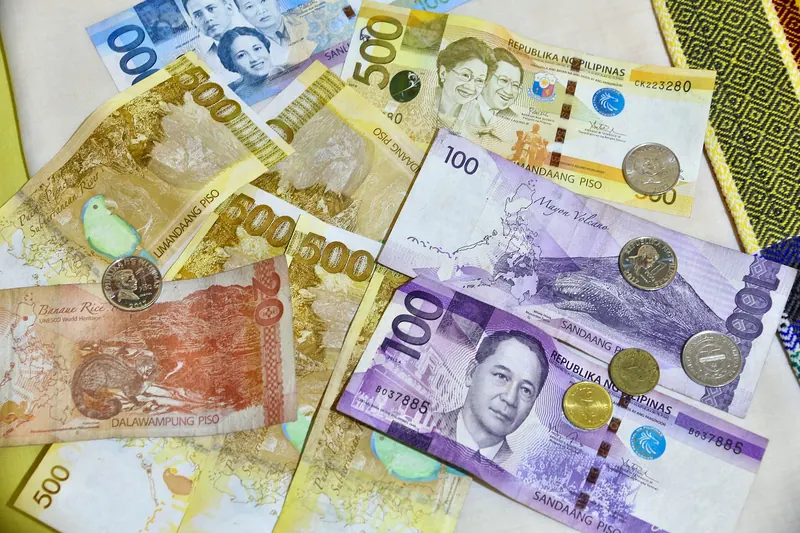
- Initial deposit in cash pesos. Counters do not take foreign currency to open a peso account, and most will not take a card
- For 9(g) workers: the AEP card and a certificate of employment from your Cebu employer
- For 13(a) holders: the BI 13(a) receipt and your Filipino spouse’s Philippine ID
- For SRRV holders: the PRA retirement card and a copy of the SRRV approval letter
BPI: the professional expat default
BPI is the bank most corporate expats in Cebu use, because branch staff there are the most practised with a foreign file and the app is the most reliable of the traditional five. BPI Regular Savings opens at ₱3,000 (12 Jul 2026) with a ₱3,000 (12 Jul 2026) average daily balance, and BPI’s own page is explicit that the account needs PHP 5,000 in daily balance before it earns anything at all. Both figures come from BPI’s product page, checked 12 July 2026.
For Cebu, the two branches with the most expat throughput are both central:
- BPI Ayala Center Cebu (main): Ground Level, ACC Corporate Center, Ayala Center Cebu, Cebu Business Park, Barangay Luz
- BPI Cebu Asiatown IT Park: G/F TGU Tower, JM del Mar Street corner Salinas Drive, Barangay Lahug
The IT Park branch sees foreign clients daily because of the BPO sector (Accenture, JPMorgan, and Concentrix are all inside a ten-minute walk), and staff there process a foreigner application without escalating it. Start there if you live anywhere in IT Park, Lahug, or Banilad. The Ayala Center branch is equally comfortable with expats and closer if you live in Cebu Business Park or Mabolo.
BPI also offers USD and multi-currency savings, but it tends to want a recognised long-term visa (13(a), 9(g), SRRV) before approving a dollar account. A tourist visa extension generally does not clear that line.
BDO: the branch lottery
BDO is the largest bank in the country by assets and has the densest branch network in Cebu. The catch is consistency. We cannot read BDO’s published foreigner requirements, because its pages time out on an automated check, and in practice branch managers weigh a foreign file differently: one Cebu branch opens the account the same morning, another a few kilometres away refers you elsewhere or declines. The variance is the story, so treat any single branch’s answer as that branch’s, not BDO’s.
We are not publishing BDO’s minimum deposit. Its product pages timed out on repeated attempts on 12 July 2026, and every figure circulating for BDO ATM Savings and its passbook variant traces back to comparison blogs rather than to BDO. A number we cannot read at BDO’s own page is a number we will not print. Ask the branch and bring more than you expect to need. One option that does not depend on BDO’s own unreadable page is the Basic Deposit Account, a low-value account every Philippine bank must offer under BSP Circular 992: no maintaining balance, simplified ID, and a small capped maximum balance. It still runs a foreign applicant through the same nationality and residency checks, so it is not a tourist-stamp shortcut.
The most expat-tolerant BDO branches in Cebu:
- BDO Cebu IT Park: G/F TGU Tower, Salinas Drive corner J.M. del Mar, Barangay Lahug
- BDO Ayala Business Park: Cebu Tower, Mindanao corner Bohol Avenue, Cebu Business Park
- BDO Robinsons Cybergate Cebu and BDO Ayala Center Cebu as backups
BDO’s online application technically accepts foreigners, but the system routes a long-term-visa applicant to a branch anyway. Do not spend a morning on it if you hold a tourist extension. Go to the branch.
Metrobank and Security Bank: solid for confirmed residents
Metrobank publishes its numbers, which already puts it ahead of most of this list. Its Regular Savings with a debit card opens at ₱2,000 (12 Jul 2026) with a matching maintaining balance, though you need PHP 10,000 in balance before it pays interest. On the checking side, Regular Checking opens at ₱10,000 (12 Jul 2026) and AccountOne (the interest-bearing checking product) at ₱25,000 (12 Jul 2026). If you have read elsewhere that Metrobank savings starts at PHP 10,000, that is the checking figure wearing the wrong label.
Foreign applicants at Metrobank complete an Enhanced Due Diligence Form alongside the standard pack, which the branch manager reviews before approval. Metrobank has branches at Ayala Center Cebu, SM City Cebu, Banilad Town Centre, and inside IT Park; the Ayala branch handles expat files without escalation.
Security Bank sits in a similar slot: no fully digital opening for foreigners in 2026, so a branch visit is required, with a good reputation among retirees for dollar time deposits. Its Ayala Center Cebu and Banilad branches are the most foreigner-comfortable. What we cannot tell you is the minimum. Every securitybank.com product URL returns HTTP 403 to an automated request, so its eSavings opening figure is unverifiable from outside a browser and we are not going to guess at it.
UnionBank: online-first for Filipinos, branch-only for foreigners
UnionBank sells itself as the most digital-native of the traditional banks, and for Filipinos it genuinely is. For a foreigner in 2026 it is still a branch experience: the app will not carry a foreign applicant to the end of an account opening even with a registered Philippine SIM and a valid ACR I-Card. Walk in with passport, ACR I-Card, proof of address, and a secondary ID. Its opening minimum is another figure we could not read (unionbankph.com also returns 403 to an automated fetch), so confirm it at the branch.
The payoff comes after opening. UnionBank Online is a genuinely good app, it carries InstaPay and PESONet transfers cleanly, and after the July 2026 repricing wave a UnionBank individual InstaPay send is free (UnionBank, individual send) (from 07 Jul 2026; BSP fee disclosure, 10 Jul 2026). Ask explicitly whether a branch handles foreign account openings before you queue; smaller UnionBank branches outside the central districts will quietly refer you to a bigger one. Ayala Center Cebu, SM City Cebu, and Cebu IT Park are the ones to try.
Maya, GoTyme, and GCash: the digital stack
Maya is a BSP-licensed digital bank, not just a wallet: a peso savings account with a debit card, no branch, and a headline rate above anything the traditional five pay on a savings account. For a new arrival the thing that matters is its published ID rule. Maya’s upgrade flow asks a Filipino citizen for one primary ID or two secondary ones, and asks a foreign national for a passport. That is the entire list. You upload the passport, take a liveness selfie, and the application goes to review inside the app. Once open, it receives InstaPay and PESONet from any Philippine bank, pays VECO and MCWD directly, and the card works at any Philippine ATM.
That makes Maya the day-one account for someone still on a tourist stamp, and the second account most expats keep alongside BPI or BDO once the ACR I-Card lands. The rate side of the decision belongs in the digital bank comparison; this article is about getting in the door.
GoTyme is the other BSP-licensed digital bank that onboards foreigners, and its published policy is stricter than Maya’s: a valid passport and an ACR I-Card, with your citizenship on its accepted list, verified through in-app document and video checks. It is worth opening once the card is in hand, especially for a debit Mastercard with decent international ATM behaviour, but it is not a landing-day route.
GCash is where we have to be honest. It is the wallet Cebu actually runs on, and older guides (including an earlier version of this one) said a foreign passport plus a Philippine SIM would verify it on day one. We can no longer stand behind that. GCash’s help centre returns HTTP 403 to any automated request, so its foreigner ID list is not verifiable at source, and on 12 July 2026 we could not read it. What our dedicated guide documents instead is a resident flow built around Philippine-issued IDs (ACR I-Card, SRRV, Alien Employment Permit, DFA-issued ID, or a Philippine driver’s licence) plus GTourist, a 30-day wallet that works only against a US mobile number. If you are a UK, EU, Australian, or Canadian tourist, plan for GCash to arrive with your ACR I-Card, not with your SIM. The GCash for foreigners guide carries the ID list, the wallet tiers, and the verification failure modes in full, and it is the canonical page on the site for all three.
The InstaPay side of the stack repriced hard this month, and it is worth knowing before you pick a primary bank. Following BSP Circular No. 1238 (2026), which sets pricing principles and deliberately sets no cap, the banks repriced individually. An individual InstaPay send is now free (BPI, individual send) (from 01 Jul 2026; BSP fee disclosure, 10 Jul 2026) and free (BDO, individual send) (from 09 Jul 2026; BSP fee disclosure, 10 Jul 2026), against ₱10 (GCash, individual send) (from 04 Jul 2026; BSP fee disclosure, 10 Jul 2026) and ₱10 (Maya Bank, individual send) (from 10 Jul 2026; BSP fee disclosure, 10 Jul 2026). There is no longer a single “InstaPay fee” to quote, which is why every figure in that sentence renders from a ledger instead of being typed into prose. The institution-by-institution sheet behind it is BSP’s Summary of Transfer Fees via Digital Channels, it moves weekly, and we track it: see the data catalogue and the methodology behind how we date and re-verify a figure like this one.
So the realistic Cebu banking sequence in 2026: Day 1, land, buy a registered Globe or Smart prepaid SIM, and open Maya from the hotel room on your passport. Day 1 to 59, run on Maya, a foreign card (Wise travels best; see the debit card comparison), and cash pulled at the lowest-surcharge machines you can find, which the Cebu ATM fee guide maps. Day 60, collect the ACR I-Card with your first extension. Day 61 onward, use the card to open GoTyme and finish GCash verification, then book a BPI or Metrobank branch visit in IT Park for the primary peso account and any payroll setup. The change is not that GCash got easier. It is that Maya got easier and GCash did not.
USD and multi-currency accounts
Most Cebu expats eventually want a dollar holding account, and the options are narrower than for pesos. BPI, Metrobank, Security Bank, PNB, HSBC, and Maybank all run USD savings, and every one of them is stricter about visa class on the dollar line than on the peso line: expect to be asked for a 13(a), 9(g), or SRRV. A tourist extension is usually rejected for a dollar account even when the peso account is approved.
We are not publishing USD minimums this cycle, and the reason is the point. BPI’s dollar-savings page 404s, Security Bank and UnionBank return 403 to an automated read, BDO times out, and Maybank’s dollar page would not render. Every USD opening figure you will find in an expat forum or a comparison blog traces to one of those unreadable pages. Rather than reprint a number we cannot see, we are logging the gap and re-checking it on the next data sweep. Call the branch, ask for the current dollar-savings opening deposit and the ADB needed to earn interest, and get it in writing before you carry cash across town.
One thing that is not in doubt is the exchange rate, because BSP publishes it. The reference rate is ₱62.49/USD (BSP RERB, 10 Sep 2026), which is the number to price any dollar decision against: it lives in our FX dataset and updates from the BSP bulletin rather than from prose. For short-term dollar holding, a Wise balance managed from outside the Philippines is usually cheaper on FX than a local USD account, and worth comparing before you commit. For physical dollars, the bank is rarely the best counter at all: Cebu money changers routinely beat a branch buy rate on cash.
Worth saying plainly, since funding is why most foreigners open a Cebu account at all: the cheapest way to move money in is rarely a bank-to-bank SWIFT wire. A wire into BPI or BDO loses you a spread plus a fixed receiving fee, while a specialist rail paying out to your peso account or wallet usually lands more pesos for the same dollars. Decide how you will fund the account before you pick which one to open. The sending money to the Philippines guide runs that comparison properly.
Which Cebu branches know how to process foreigners
Cebu branch experience with foreign openings is concentrated in three areas: Cebu Business Park, Cebu IT Park, and Banilad. Branches outside those can still process the file, but you are more likely to meet a manager who defers it. If you live far from the central districts, make the trip for the opening itself; use the closer branch afterwards.
| Bank | Best Cebu branch | Minimum deposit (peso savings) | Foreigner ID: published vs practice |
|---|---|---|---|
| BPI | Ayala Center Cebu / IT Park TGU Tower | PHP 3,000 (BPI, 12 Jul 2026) | Passport on BPI's published list; ACR asked in practice |
| BDO | IT Park TGU Tower / Ayala Business Park | Not published to us: site unreadable | Not published to us; ACR asked in practice |
| Metrobank | Ayala Center Cebu | PHP 2,000 savings / 10,000 checking (Metrobank, 12 Jul 2026) | Not published to us; ACR asked in practice |
| Security Bank | Ayala Center Cebu / Banilad | Not published to us: site returns 403 | Not published to us; ACR asked in practice |
| UnionBank | Ayala Center Cebu / IT Park | Not published to us: site returns 403 | Not published to us; branch-only, ACR asked in practice |
| Maya | App-based, no branch | None | Passport, per Maya's published rule |
| GoTyme | App-based, no branch | None | Passport + ACR I-Card (GoTyme policy) |
| GCash (wallet) | App-based, no branch | None | Unverified: see the GCash guide |
Budget: opening deposit and first-month banking cost
Two numbers decide your first month: the deposit you park on day one, and the cash you spend on setup. The table below assumes a BPI primary account (the one minimum we can verify), a Maya digital account, and a wallet for daily payments.
| Category | Range | Notes |
|---|---|---|
| BPI Regular Savings initial deposit | ₱3,000–₱3,000 | Stays in the account as the maintaining balance (BPI, 12 Jul 2026) |
| 2x2 photos | ₱300–₱800 | If you do not already have them |
| TIN application (BIR RDO 080/081) | ₱0–₱0 | Free, via Form 1904 or 1902 |
| Photocopies and lease notarisation | ₱200–₱500 | For proof of address |
| Maya initial deposit (optional) | ₱0–₱500 | Your money, not a fee |
| Wallet initial cash-in (optional) | ₱0–₱5,000 | Fully refundable as spending money |
| Grab to and from CBD branches (x3-4 visits) | ₱500–₱1,200 | Ayala or IT Park round trips |
| Total | ₱4,000–₱11,000 |
The ACR I-Card sits outside that table on purpose, because it is a Bureau of Immigration charge and not a banking one. BI’s published issuance fee is $50 + ₱500 (ACR I-Card, issuance) (Philippine Bureau of Immigration, BI's published schedule, vintage 06 Mar 2014 — BI states fees "may change without prior notice"), payable alongside your first extension past day 59, which BI publishes at ₱4,400 (First extension of authorized stay beyond 59 days, 1 month) (Philippine Bureau of Immigration, BI's published schedule, vintage 06 Mar 2014 — BI states fees "may change without prior notice"). Read the caveat that renders with those figures: BI’s own fee tables are stamped 2014 and BI states they may change without notice, which is why we render them from a dated table rather than typing them.
See the complete Cebu cost of living guide for where first-month banking sits in the wider budget, and the hidden costs of renting in Cebu for the other one-time setup expenses nobody warns you about.
Common rejection reasons and how to fix them
“You do not have an ACR I-Card yet.” The most common rejection, and the fix is time. Wait out the 59 days, take the first extension (which is when the card is issued), and go back to the branch with it.
“Your address proof is not under your name.” The bank wants evidence you live at the Cebu address on the form. A lease in your name is strongest, a VECO or Converge bill in your name works, and a condo admin receipt with your passport does not. If the lease is in a Filipino spouse’s name, bring a joint affidavit and both IDs. If you plan to hold the account jointly with that spouse rather than solo, the joint account guide covers the AND-vs-OR signatory choice and the Section 97 estate freeze that catches most couples off guard.
“We need a Philippine secondary ID.” Not a hard rule, but some branches insist. The workarounds are the free BIR TIN card, a PhilID if you have registered, or an SSS/UMID if you are employed. A BPI or BDO branch in IT Park is unlikely to push on this, because they see the same file every week.
“We cannot open an account for tourist visa holders.” You may hear this at any of the traditional five, even though BPI’s published ID list accepts a passport on its own. It is a branch call, not a published rule, and arguing it at the counter rarely works. The fix is to open Maya from your phone in the same hour, then queue again once your first extension lands the ACR I-Card.
“Your employer is not on our list.” This happens to foreigners joining small Cebu startups. Bring the 9(g) receipt, the AEP card, and a notarised certificate of employment with the sponsoring company’s SEC registration attached.
“The branch manager is not in today.” Foreign openings usually need a manager’s approval. Call ahead and ask whether the manager will be on duty. Tuesday to Thursday mornings are the reliable window.
Which bank fits which reader
If you work at an IT Park BPO or tech firm, open your primary account at the BPI or BDO branch inside TGU Tower. Both process foreign applications daily, and most employers already have a payroll relationship with one of them.
If you are on an SRRV, open BPI Ayala Center Cebu for the peso account and talk to Metrobank or Security Bank about the dollar time deposit, taking the current rate from the branch rather than from an old forum thread. Our time deposits guide tracks the published ones against a live ledger.
If you are on a 9(g) or a 13(a) and want the fastest full setup, open Maya first, then add a BPI or Metrobank branch account for payroll and domestic wires.
If you are a remote worker on a rolling tourist extension, skip the traditional banks entirely for 60 days. Open Maya on day one against your passport, keep a Wise balance and a foreign card as the fallback, and finish GCash and GoTyme when the ACR I-Card arrives. Delay BPI or BDO until you have a firmer visa path than extensions, because the account you open is the one they can also close.
The right Cebu bank is the one whose branch sees foreigners every week and whose minimum deposit matches what you actually keep in pesos. Rejections come from a mismatch between your visa class and the bank’s internal risk rules, not from anything you fill in on the form.
FAQ
Frequently asked.
Can a foreigner on a tourist visa open a bank account in Cebu?
What documents do I need to open a bank account in Cebu?
What is the minimum deposit to open a savings account at BPI or Metrobank?
Which Cebu branches are best for foreigners to open an account?
Can foreigners use GCash and Maya in the Philippines?
Data note. Prices, rates, and details are verified as of publication and may change. Always confirm with the listed provider or landlord before committing. This article is informational, not financial, legal, or immigration advice. Full disclaimer.