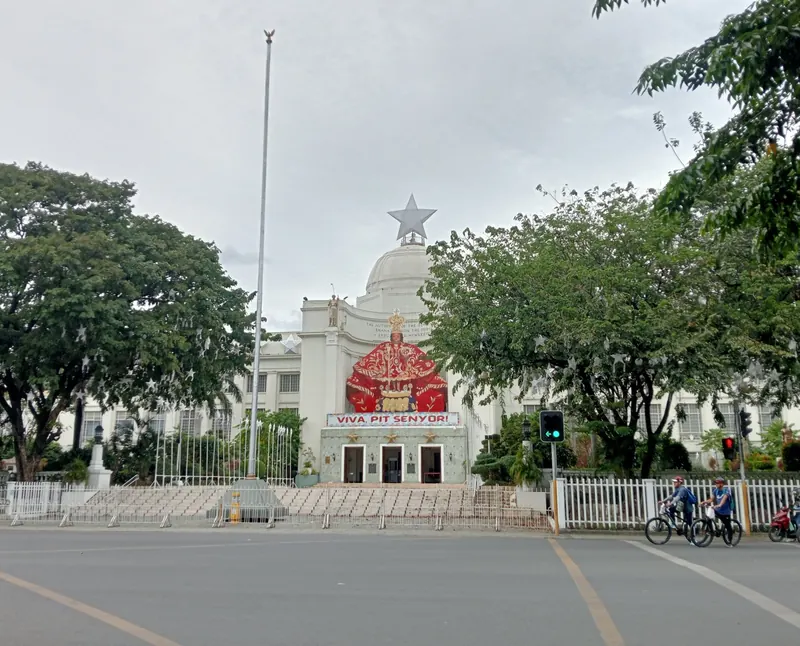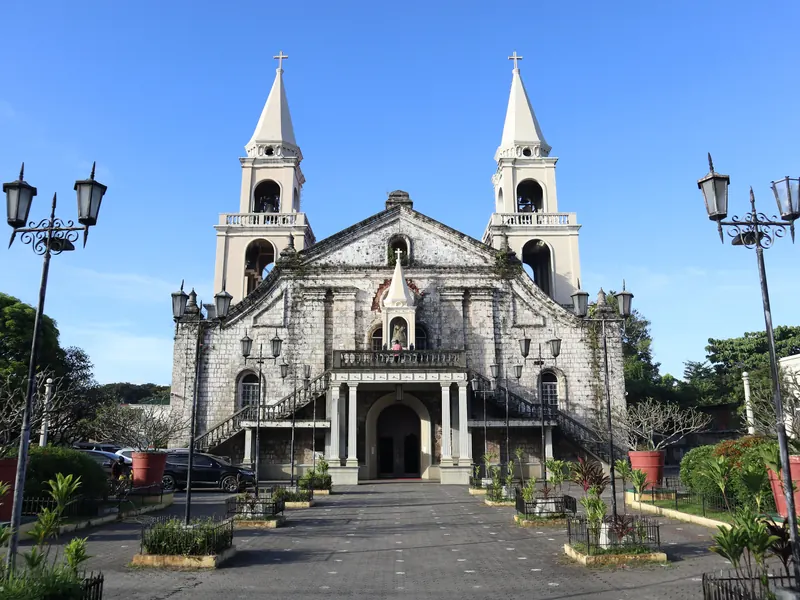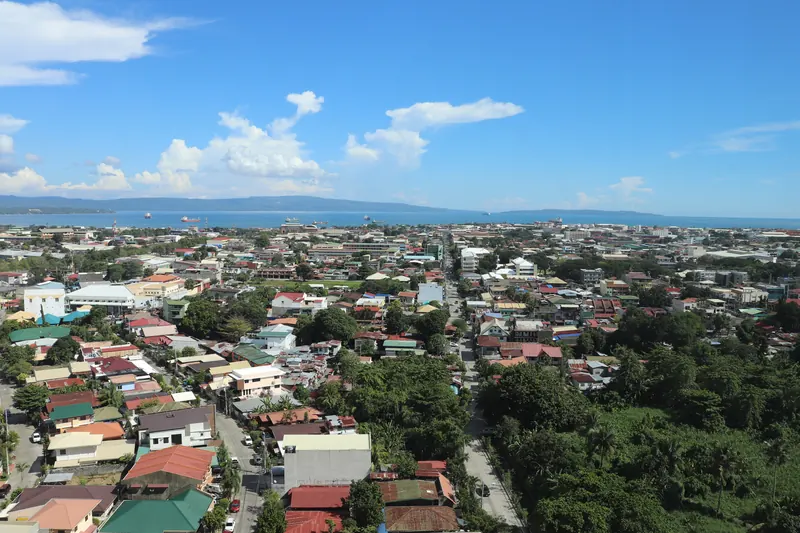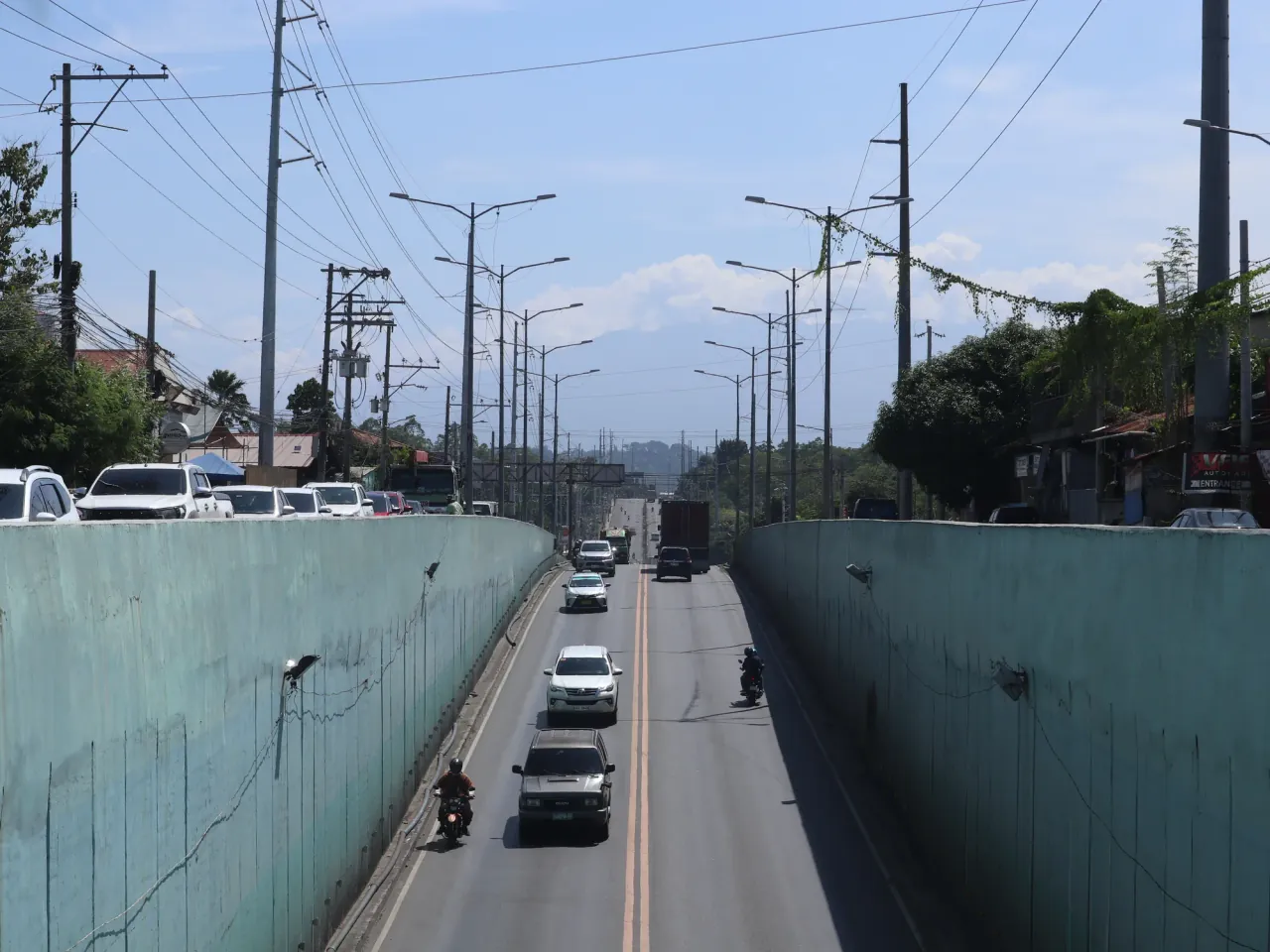
The fastest way to read Davao’s expat neighborhoods is one mall per district. SM Lanang Premier anchors Lanang. Abreeza Mall (Ayala) anchors Bajada. SM City Davao anchors Matina-Ecoland. Robinsons Highlands anchors Buhangin. Toril doesn’t have one. That map predicts where expats land, what they pay, and how their day actually works.
This guide walks the five districts that absorb the bulk of expat residency (Lanang, Downtown/Poblacion (Bajada), Matina-Ecoland, Buhangin/Ma-a, and Toril) with rent bands from LiveInPH’s editorial Davao rent baseline, named buildings, commute realities, flood exposure, and explicit “who this fits” filters.
What our rent numbers are, and what they are not
Every peso band below reads from LiveInPH’s Davao rent baseline. Be clear about what that is: an editorial estimate, not an index and not a measurement. No listing sample has ever been collected for Davao. Sample size is null on all ten segments, so no median and no quartiles exist, and none are published. The “midpoint” in the table twin is simply (low + high) / 2, an arithmetic convenience with no statistical meaning.
We used to say these bands were corroborated against a crowd-submitted cost aggregator. That citation was removed in July 2026, because crowd-submitted aggregators are not an acceptable source here. What is left is our own judgement, stated openly, with nothing external behind it. Full basis and limitations: methodology and the dataset catalog.
▸ Show the data table
| Segment | Low | Midpoint | High | n | Confidence |
|---|---|---|---|---|---|
| Lanang · Studio | ₱18,000 | ₱24,000 | ₱30,000 | — | low |
| Lanang · 1BR | ₱25,000 | ₱37,500 | ₱50,000 | — | low |
| Downtown / Poblacion · Studio | ₱12,000 | ₱17,000 | ₱22,000 | — | low |
| Downtown / Poblacion · 1BR | ₱15,000 | ₱24,000 | ₱33,000 | — | low |
| Buhangin · Studio | ₱10,000 | ₱13,250 | ₱16,500 | — | low |
| Buhangin · 1BR | ₱14,000 | ₱19,500 | ₱25,000 | — | low |
| Matina · Studio | ₱12,000 | ₱16,000 | ₱20,000 | — | low |
| Matina · 1BR | ₱18,000 | ₱23,000 | ₱28,000 | — | low |
| Toril · Studio | ₱6,000 | ₱8,000 | ₱10,000 | — | low |
| Toril · 1BR | ₱10,000 | ₱12,500 | ₱15,000 | — | low |
The baseline covers studio and 1BR condos in five districts, and nothing else. It does not cover houses. That gap is real and it is deliberate: we would rather tell a family with two kids that we do not have a defensible Davao house-rent figure than hand them a number we made up. Ask three landlords in the subdivision you actually want; that is currently better evidence than anything published, ours included.
Commute times in this guide are editorial estimates from off-peak driving, not measured trip data.
How to choose your district
Five questions narrow the field quickly.
Will you fly internationally more than monthly? If yes, Lanang’s proximity to Francisco Bangoy International Airport (DVO) is worth the rent premium. If no, Bajada or Matina works, and the cross-town run to DVO is roughly 25–35 minutes off-peak.
Do your kids need school commutes? International school choice in Davao is thinner than in Cebu. Most expat families end up at Davao Christian High School (Bajada–Lanang area), Singapore Davao Schools, or Brokenshire College. Match the neighborhood to the school, or accept a 45-minute morning run.
Working from home or commuting to an office? Most BPO and coworking space sits in Bajada and Lanang. Toril and far Buhangin are fine for remote work and painful for a daily in-office commute.
House with garden or condo with amenities? Davao is one of the few Philippine cities where a family house with a garden is a realistic alternative to a premium 1BR condo rather than a fantasy. The choice is real, even though the pricing evidence is thin.
Can you tolerate flood risk for cheaper rent? Some Matina and Talomo addresses rent below the district band because they flood. Five years of savings buys a lot of monsoon stress, in both directions.
Lanang
The northeast corridor between SM Lanang Premier and Francisco Bangoy International Airport. Modern condo stock, expat-favoured, the default first stop for anyone arriving on a corporate-housing budget.
Editorial rent baseline (May 2026, no measured sample):
- Studio: ₱18,000–₱30,000/month
- 1BR: ₱25,000–₱50,000/month (the ceiling is investor-grade Davao Park stock)
Furnished units ask meaningfully more than bare ones, and the premium varies by building rather than following a rule of thumb, so treat any single uplift percentage you read elsewhere with suspicion.
Named condos worth knowing:
- SMDC Lane Residences: mid-rise inside the SM Lanang Premier complex, SMDC’s first Davao project. Strong on building security and the standard SMDC amenity package.
- One Lakeshore Drive: an 11.2-hectare Megaworld-Suntrust development behind SM Lanang Premier, still building out through 2027.
- Dusit Thani Residences (Lanang): the high-end option, with hotel-shared pool and fitness facilities.
- Boutique condos along Damosa Avenue and the Mamay Road approach.
Commute reality: DVO 5–15 min; Bajada/Abreeza 15–25 min mid-day; Downtown 20–30 min; SM City Davao (Matina) 30–40 min; Buhangin subdivisions 15–25 min. Traffic inside Lanang is moderate and meaningfully better than Cebu’s IT Park–Banilad corridor at rush hour. Damosa Avenue and the JP Laurel approach slow at the 5–7 PM peak.
Flood risk: most Lanang condos sit on raised lots and stay out of the worst of Davao’s flood map. Coastal sections near sea level see occasional storm surge in severe weather; the elevated condo stock is largely safe. No Lanang address appears on the city’s 2019 no-build list.
Daily life: SM Lanang Premier covers retail, dining, cinema, grocery, and bank branches. Damosa Diamond Tower and the offices around it host BPO and corporate work. Gyms (Anytime Fitness, Plana Forma) and clinic clusters fill in the rest.
Who it fits: new expats wanting a soft-landing modern condo, frequent international travellers, couples and single professionals, digital nomads who live at the airport.
Who it doesn’t fit: families needing a house with a garden, expats wanting a deeply local feel, anyone trying to live under PHP 18,000/month.
Downtown / Poblacion (Bajada)
Central Davao along J.P. Laurel Avenue, anchored by Abreeza Mall (Ayala Malls) and Davao Doctors Hospital, the two institutions almost every expat household ends up using. A more Filipino-everyday feel than Lanang, and a lower band at the same quality tier.
Editorial rent baseline (May 2026, no measured sample):
- Studio: ₱12,000–₱22,000/month
- 1BR: ₱15,000–₱33,000/month
Named condos:
- Abreeza Place (Ayala Land): the twin-tower development directly across Abreeza Mall on J.P. Laurel Avenue, and the headline expat-friendly building. Fully furnished 1BR units here sit at the top of the district band rather than the middle.
- Avida Towers Davao (Ayala-affiliated): mid-tier stock in Bajada and across the city.
- Ridgewood Tower: mid-tier Bajada condo with consistent rental supply.
- Ayala Land Virendo: Ayala’s first luxury residential neighborhood in Davao, delivering through the late 2020s. It will reshape the upper tier here.
Commute reality: Abreeza Mall 0–5 min (walking distance from several condos); Davao Doctors 5–10 min; Downtown 10–15 min; SM Lanang Premier 15–25 min; SM City Davao 20–30 min; airport 20–30 min. Bajada is the most “drive 15 minutes to anywhere” address in Davao.
Flood risk: most of Bajada sits high along JP Laurel Avenue and is largely flood-safe. Lower side streets toward the river see minor flooding in severe rain. No Bajada address appears on the 2019 no-build list, though neighbouring Buhangin’s New San Isidro does.
Daily life: Abreeza handles retail, dining, supermarket, and entertainment. Davao Doctors Hospital is the de-facto first stop for medical needs, including the OB-GYN and paediatric care families depend on. Coffee shops, casual restaurants, and laundry cluster along JP Laurel.
Who it fits: most expats. Couples, individuals, families at central schools, retirees who want a hospital close by. The honest default.
Who it doesn’t fit: expats who need the airport at the end of the street, or families set on a house and garden.
Matina-Ecoland
South-central Davao around SM City Davao. Older, more established, more Filipino-family. Lower rents than Lanang or Bajada, with flood exposure that needs real care.
Editorial rent baseline (May 2026, no measured sample):
- Studio: ₱12,000–₱20,000/month
- 1BR: ₱18,000–₱28,000/month
Matina is one of the two thinnest-evidence districts in the baseline, alongside Toril. Subdivision houses rent here in volume, and we hold no sourced figure for them.
Named developments:
- Verdon Parc: Ecoland Drive at Peacock and Melati Streets, inside Ecoland Subdivision. Mid-tier residential condo.
- One Oasis Davao: Mamay Road, an established Matina-area development.
- Filinvest Bridges Town: newer townhouse-style mixed-use.
- Ecoland Subdivision itself: older, established, gated, with houses on the rental market.
Commute reality: SM City Davao 5–15 min; Downtown 10–20 min; Bajada/Abreeza 20–30 min; Lanang 25–40 min; airport 30–45 min.
Flood risk (the section that matters most): Matina Aplaya, Matina Crossing and Matina Pangi, along the Matina River, take the worst of it. After localized thunderstorms in early January 2025, 617 families (2,211 people) were affected along that corridor, per Office of Civil Defense figures reported by MindaNews on 8 January 2025 (a named secondary quoting OCD, not a primary release). The same reporting attributes the worsening to river sedimentation, lost wetlands, and building on the floodplain, which is exactly why street-level checks beat district-level reassurance. Two of the city’s 2019 landslide-prone flags also sit in this district (Quinones Compound and Abrazaldo Compound, both in Matina Crossing, plus Old Smokey Mountain in Matina Pangi). Higher ground inside Ecoland and around Verdon Parc sits above the flood zone. Cross-check the exact street with the Davao City DRRMO before you sign.
Daily life: SM City Davao covers retail and dining, and Bankerohan Public Market is about 15 minutes away for produce and seafood. Matina feels more lived-in than Lanang or Bajada: locally-owned cafés, smaller restaurants, less curated retail.
Who it fits: cost-conscious expats, longer-stay residents who prefer Filipino-density living, anyone who actually shops at Bankerohan.
Who it doesn’t fit: expats who need airport proximity, anyone with no tolerance for flood risk, anyone who wants premium condo amenities.
Buhangin and Ma-a
Davao’s house-and-garden territory. The northern hills (Buhangin) and eastern uplands (Ma-a) hold the city’s established affluent subdivisions, and most expat families with kids end up here.
Editorial rent baseline, Buhangin condos only (May 2026, no measured sample):
- Studio: ₱10,000–₱16,500/month
- 1BR: ₱14,000–₱25,000/month
Ma-a is not in the baseline at all, and neither are houses, which is what almost everybody actually comes to Buhangin and Ma-a for. We have no listing sample, no dated portal snapshot, and no acceptable external source for Davao house rents, so this guide prints no house figure. What we can tell you is structural: in Davao, a family house with a garden competes with a premium 1BR condo for the same household budget, which is not true in Metro Manila and barely true in Cebu.
Subdivisions worth knowing:
- Ladislawa Garden Village (Buhangin): 62 hectares, opened 1974, the original “old Davao money” address, with mature trees and mature security. The developer reports roughly 99% of lots sold.
- Woodridge Park (Ma-a): 42 hectares, opened 1994, the city’s first nature-themed subdivision, from the same developer. Lots are fully sold; supply is resale and rental only.
- Narra Park Residences (Tigatto, Buhangin): newer, mid-tier.
- Bangkal Heights (Talomo): newer affordable family subdivision.
- Smaller subdivisions in Catalunan Pequeño, Catalunan Grande, and the lower Buhangin slopes sit below all of these on price.
Commute reality: Bajada/Abreeza 15–25 min; Downtown 20–30 min; Lanang and the airport 20–30 min; SM City Davao 25–35 min. Buhangin and Ma-a hold the best “anywhere in Davao inside 30 minutes” position in the city, and the hillside lots run cooler with better breeze.
Flood risk: generally low, because the subdivisions sit on uplands. Two caveats worth knowing before you assume the whole district is safe: New San Isidro in Buhangin was flagged flood-prone and Purok Damayan in Buhangin Proper landslide-prone on the city’s 2019 list. Ladislawa and Woodridge are not on it.
Daily life: Robinsons Highlands handles most retail and dining. Everything else is scattered: smaller centres, weekend markets, standalone restaurants. You need a car or motorbike, and jeepney coverage thins the further uphill you go.
Who it fits: families with school-age kids, anyone who wants a real garden, longer-term residents, retirees who want quiet.
Who it doesn’t fit: anyone without personal transport, short-term visitors, anyone who wants retail within walking distance.
Toril
The far southern district. Most rural, cheapest, highest space-per-peso. Genuinely rural in places: farms, light traffic, and the Malagos Garden Resort side of the city.
Editorial rent baseline (May 2026, no measured sample):
- Studio: ₱6,000–₱10,000/month
- 1BR: ₱10,000–₱15,000/month
Toril is the thinnest-evidence district in the baseline, and the reason is worth stating plainly, because it also tells you how to find a unit here. Lamudi, Dot Property and Rentpad list almost no Toril stock, and those portals block automated fetching anyway. Most Toril supply lives on Facebook Marketplace and local landlord boards. You will find a place by referral, not by search, and the same thinness is why we publish no house figure for Toril either.
Named developments:
- Camella Toril: Vista Land’s affordable house-and-lot subdivision, the dominant name in the local market.
- Deca Homes Toril: 8990 Holdings’ affordable housing brand.
- Older subdivisions and stand-alone houses across Sirawan, Bayabas and the other Toril barangays.
Commute reality: Downtown 30–45 min; Bajada/Abreeza 35–50 min; SM Lanang and the airport 45–60 min; the local Toril market 5–15 min. That is the trade: Toril buys space and cost with time. Jeepneys run, but not frequently and not deep into every subdivision, so most expats here own a car or motorbike.
Flood risk: low across most of Toril, which sits higher than Matina, with most subdivisions on cleared hillside lots. Lower barangays near rivers still flood, so street-level checks matter. No Toril address appears on the city’s 2019 no-build list.
Daily life: the local market handles produce and basics. SM City Davao or Abreeza is a 30–45 minute drive. Malagos Garden Resort, Eden Nature Park and the road toward Mt. Apo make the weekends easy. Restaurant variety is thin.
Who it fits: expats maximising space and minimising cost, retirees who want genuine rural calm, remote workers, families with private school transport.
Who it doesn’t fit: anyone who needs to be in central Davao daily, anyone without personal transport, anyone who wants a social life within walking distance.
Where not to live
In June 2019 the Davao City DRRMO flagged 15 areas as recommended no-build and no-habitation zones, six for flooding and nine for landslides, with existing structures referred to the City Engineer’s Office for demolition.
Flagged flood-prone (2019): Dike, Phase 3, NHA Bangkal (Talomo); Purok Lugot, Suraya Homes (Cabantian); Purok 23, Kuot, Davao Impress Subdivision (Sasa); San Juan Village, Bangkal (Talomo); Taal Riverside (Talomo); New San Isidro (Buhangin).
Flagged landslide-prone (2019): Purok Damayan (Buhangin Proper); Old Smokey Mountain (Matina Pangi); Quinones Compound (Matina Crossing); Purok 29-B, SPDA (Panacan); Phase 1, Greenland Subdivision (Cabantian); Purok 46, San Vicente (Talomo); Phase 3, Wellspring (Catalunan Pequeño); Abrazaldo Compound (Matina Crossing); Sitio Gulay, Sincere Subdivision (Catalunan Pequeño).
Published gap, stated rather than smoothed over: that list is a 2019 CDRRMO recommendation. Whether the city council has since enacted it as an ordinance, amended the list, or cleared any of these areas is not something we have been able to verify from a primary source, and we will not imply a legal status the city has not published. Treat the 15 as a hazard map with seven years on it, not as a current legal register, and confirm the address with the DRRMO before you sign anything.
Beyond the official list, three patterns repeat:
- The Matina River corridor (Matina Aplaya, Matina Crossing, Matina Pangi) floods routinely, and the January 2025 event above is the well-documented case, not an outlier.
- Low-lying stretches near the Davao and Lasang rivers, in Talomo, Bunawan and northern Davao, flood several times a year.
- Isolated barangays without paved access in far Calinan or Marilog: beautiful for a weekend, impractical for a life.
The rule of thumb that survives all of it: be suspicious of anything within a couple of hundred metres of a named river, and of any 1990s mass-market subdivision built on what a map will show you was floodplain. Newer high-end subdivisions avoid these sites. Older mass-market ones sometimes did not.
What the Davao City Bypass changes
The Davao City Bypass runs 45.5 km from Barangay Sirawan in Toril to Barangay J.P. Laurel in Panabo City, including twin 2.3-km tunnels, the first mountain road tunnels of their kind in the country. DPWH targets full opening in 2028 and states the design benefit as cutting the end-to-end run via the Maharlika Highway from about 1 hour 11 minutes to about 49 minutes (SunStar Davao, 4 June 2025, a named secondary reporting DPWH; the DPWH release itself would not serve to us over a valid certificate at time of writing).
What that means for a renter, stated carefully:
- Toril is the district most exposed to the outcome. A faster through-route from Sirawan changes the calculus for anyone who chose Toril on price and pays for it in commute time.
- Calinan and Tugbok benefit secondarily, and upper Buhangin marginally, on cross-city runs.
- We publish no rent or land-value forecast. You will find “Toril property values up 5–15%” style numbers circulating; none of them traces to a published forecast we can verify, so we print none. The honest position is that the direction is up and the magnitude is unknown.
If you are choosing between Toril (cheap, far) and Bajada (central, expensive) for a five-year stay starting in 2026, the bypass is a real variable, and “Toril is remote” is a statement with an expiry date on it.
Davao’s map is simpler than Cebu’s: five real choices, each with a clear personality and a defensible reason to pick it. The three decisions that matter are condo versus house, central versus suburban, and how much you discount rent for flood risk. Our rent bands will help you with the first two and are honest about their own weakness; the flood question is the one where the published record, thin as it is, beats anyone’s intuition.
For the broader cost picture, see the Davao cost of living guide. For the safety question that runs alongside neighborhood choice, is Davao safe? Mindanao terror fears vs. expat reality addresses the perception gap. For the Cebu-or-Davao decision itself, the Cebu vs Davao decision framework lines the trade-offs up side by side. The Davao hub ties the cluster together with live DLPC and DCWD reads, and the dataset catalog and methodology show exactly how much (and how little) is behind every figure above.
FAQ
Frequently asked.
What is the best neighborhood for expats in Davao City?
How is Lanang different from Bajada in Davao?
Where should I live in Davao if I have kids and want a house?
Which Davao neighborhoods flood the worst?
Is Toril a good area to live for expats in Davao?
Data note. Prices, rates, and details are verified as of publication and may change. Always confirm with the listed provider or landlord before committing. This article is informational, not financial, legal, or immigration advice. Full disclaimer.